How Indian Summers Affect Pharma Storage — and How We Handle It
If you’ve ever left a chocolate bar in a hot car, you already understand the problem.
Now imagine that instead of chocolate, it’s insulin. Or a vaccine. Or a batch of temperature-sensitive medicines worth lakhs of rupees.
Every summer across North India, temperatures regularly cross 42–45°C. For most industries, that just means turning up the AC. For pharmaceutical storage, it means something far more serious. A single temperature deviation — even for a few hours — can silently destroy an entire product batch. The packaging looks fine. The medicine looks fine. But it’s no longer effective.
This is the reality of pharma storage in India during summer.
Why Summer Is the Biggest Test for Pharma Warehouses
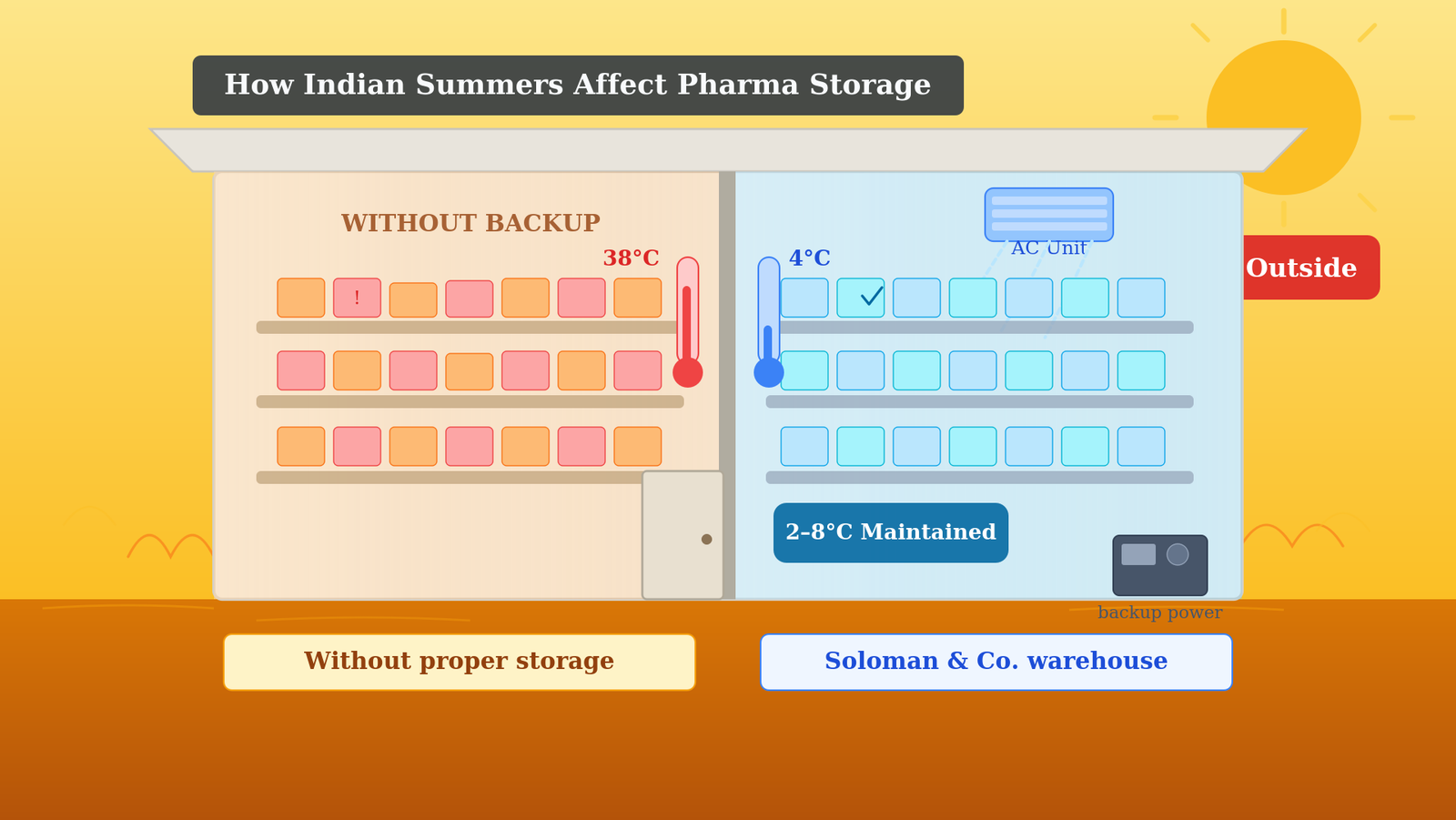
Most medicines must be stored between 15°C and 25°C. Vaccines, insulin, and biologics need even stricter conditions — typically 2°C to 8°C at all times. Maintaining those conditions when it’s 45°C outside isn’t optional. It’s a legal requirement under India’s Drugs and Cosmetics Act and GDP guidelines.
The three biggest summer risks are:
Temperature excursions — even a brief drift outside the required range, caused by a power cut or poor insulation, can render a product ineffective with no visible sign of damage.
Humidity — the pre-monsoon and monsoon months bring moisture that accelerates degradation in tablets and powders and compromises packaging integrity.
Power cuts — common across UP and North India in summer. A 30-minute outage in a non-backup warehouse on a 44°C day can be enough to break the cold chain entirely.
Increased demand during summer also means faster product movement — and rushed operations are when mistakes happen. Products get stored in the wrong zones, documentation gets missed, and cold chain breaks go unnoticed.
What Happens When Temperature-Controlled Storage Fails
This is not a hypothetical. Across India, pharma brands lose crores every year to summer-related storage failures — and most of it goes unreported because the damage isn’t always visible.
Here’s what can happen when pharmaceutical storage in summer is not properly managed:
A batch of vaccines stored at 10°C instead of 4°C may appear completely normal. No discolouration, no odour, no visible change. But the cold chain has been broken, and the vaccine’s efficacy may have been compromised. If it reaches a patient, it simply won’t work — and no one will ever know why.
Temperature-sensitive medicines like certain antibiotics, eye drops, and hormone therapies can degrade faster than expected when exposed to heat. This shortens their eective shelf life and creates liability issues for the brand.
For pharma companies, a single failed batch recall is not just a financial loss — it damages relationships with distributors, erodes brand trust, and invites regulatory scrutiny.
This is why choosing a pharma warehouse partner with robust summer preparedness is not optional. It is business-critical.
How We Handle It at Soloman & Co.
We have been managing pharmaceutical warehousing in Lucknow for over 140 years. Here is exactly what we do to keep your products safe every summer.
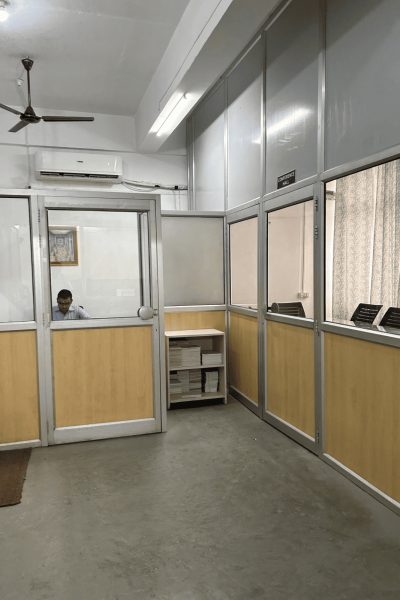
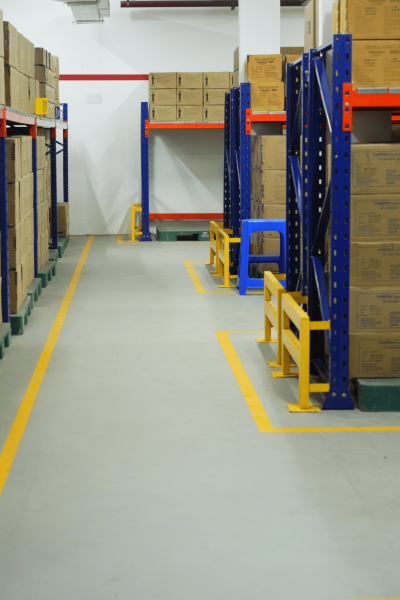
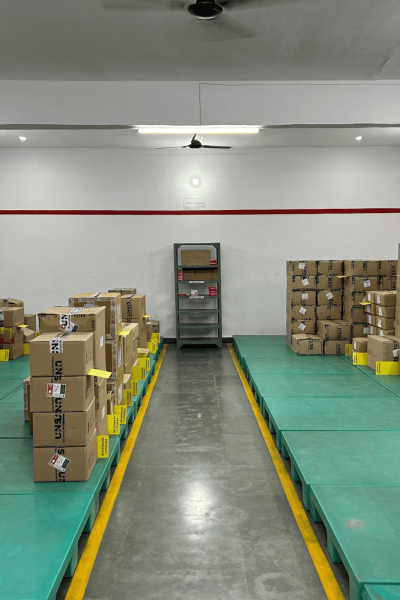
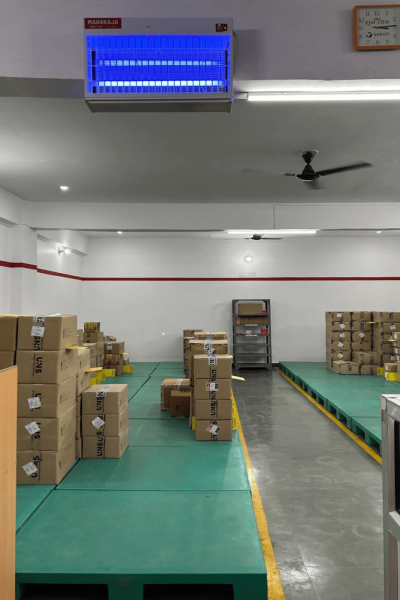
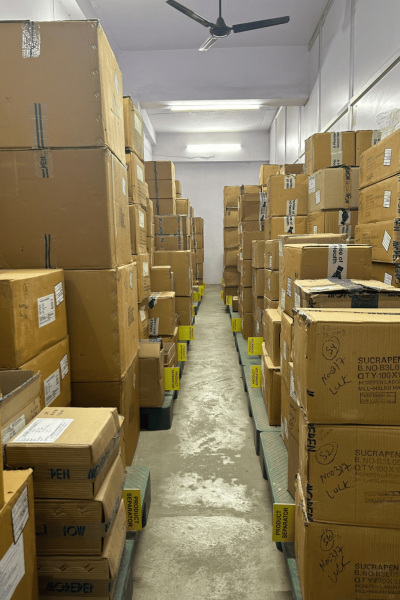
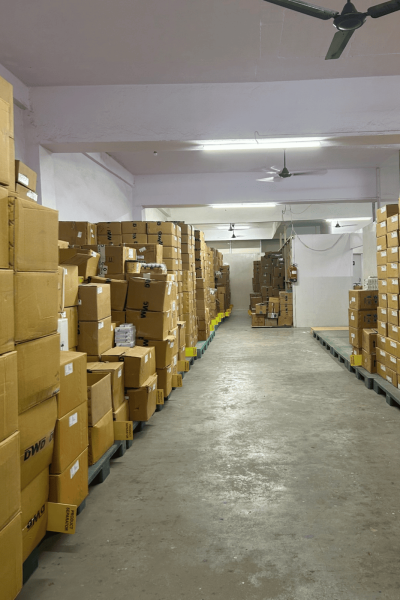
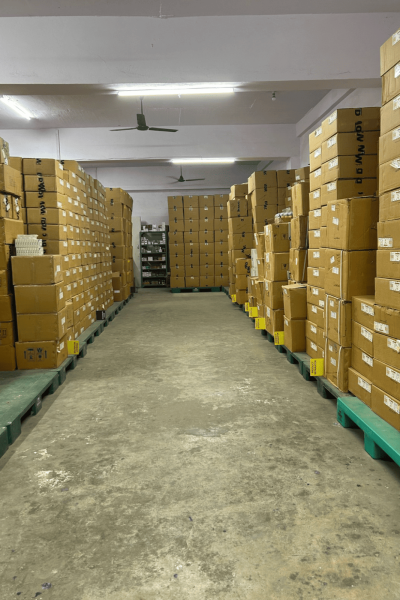
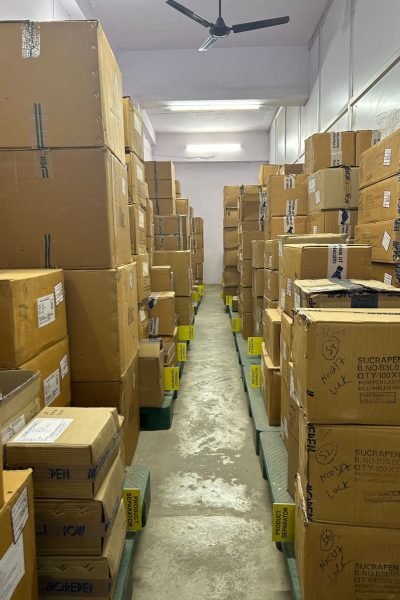
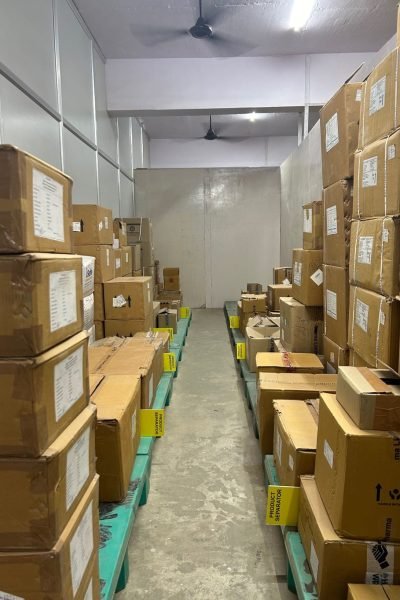
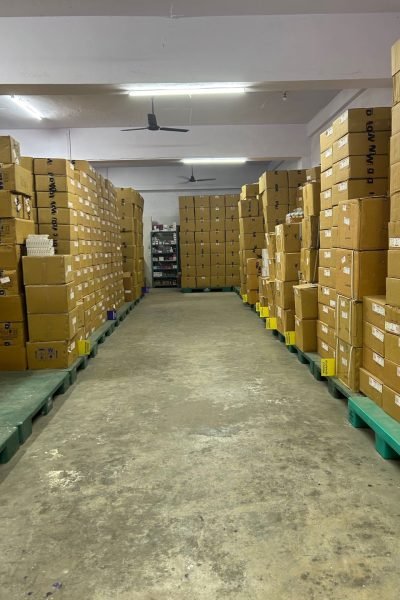
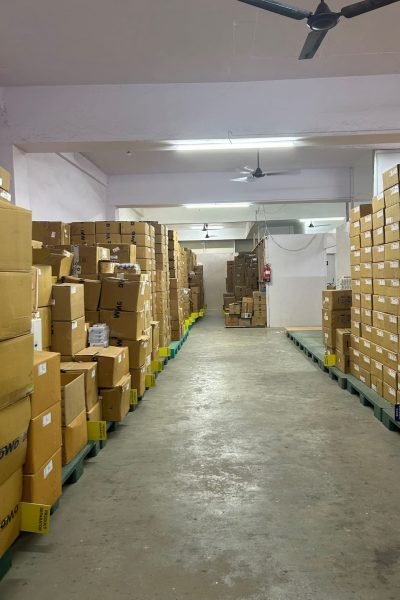
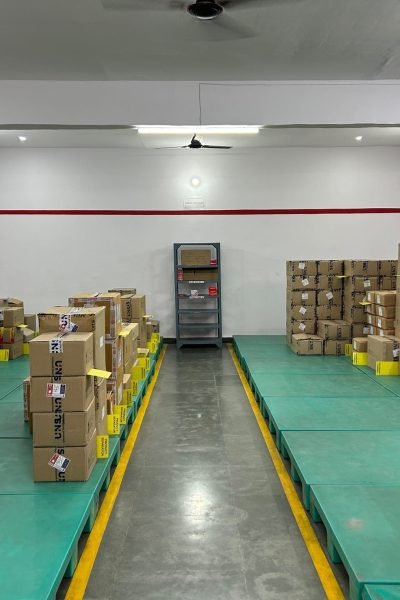
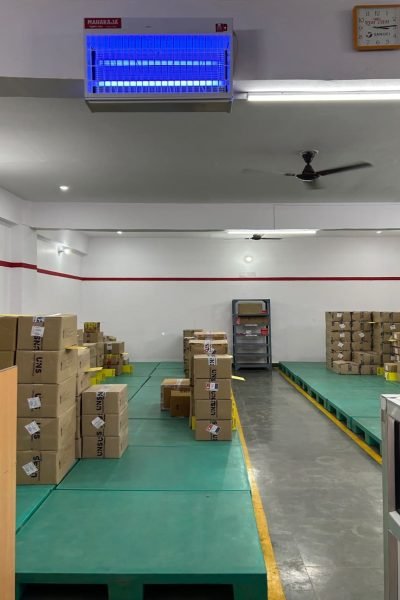
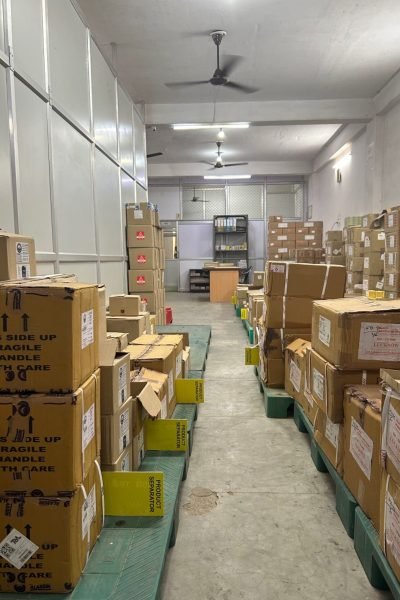
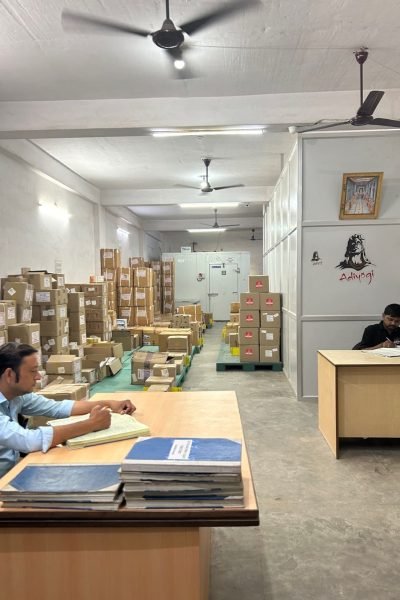
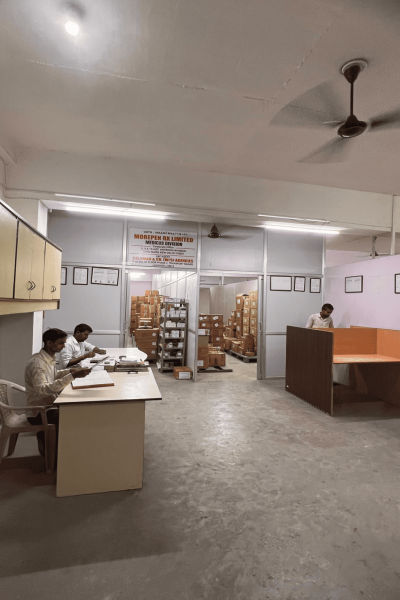
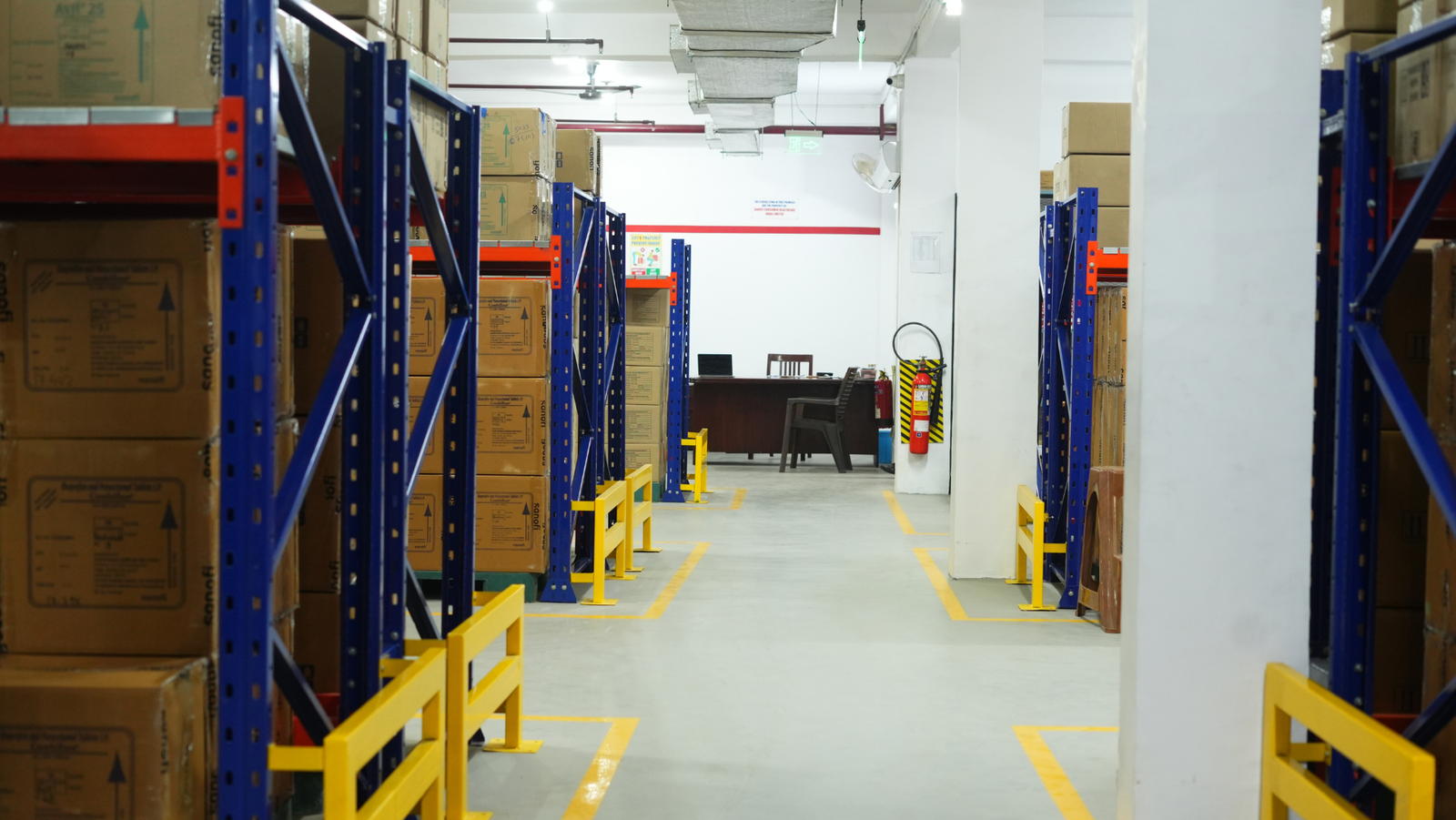
Industrial air conditioning throughout the facility — not standard split units. Our systems are designed to hold stable temperatures across large storage areas even in extreme heat. The entire facility is temperature-mapped so we know precisely where to store every product.
Dual power backup with zero gap — two in-house transformers and two diesel generators mean that when the power goes out, our backup kicks in within seconds. We also have a trained electrician on-site 24/7. A power failure at 2am in June is never your problem.
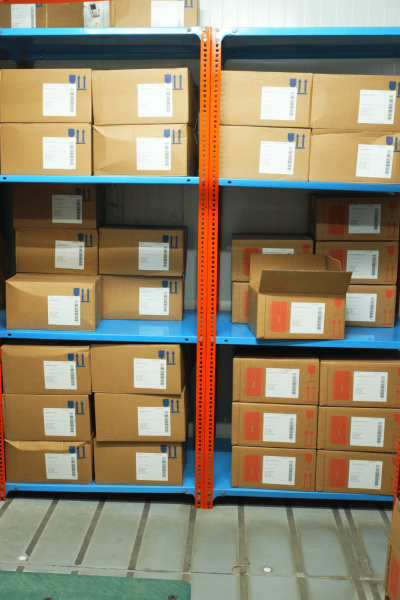
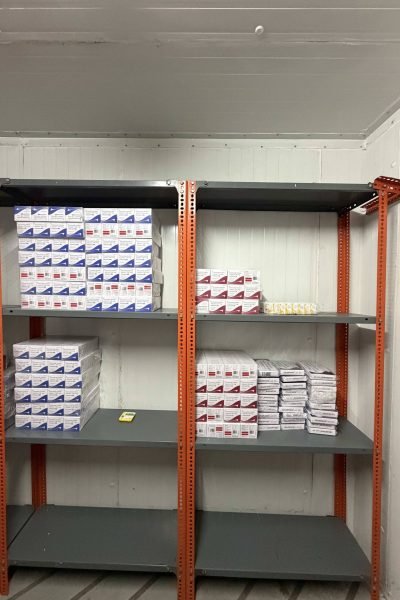
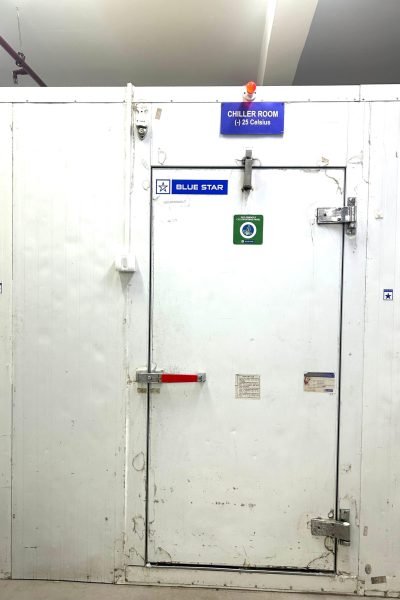
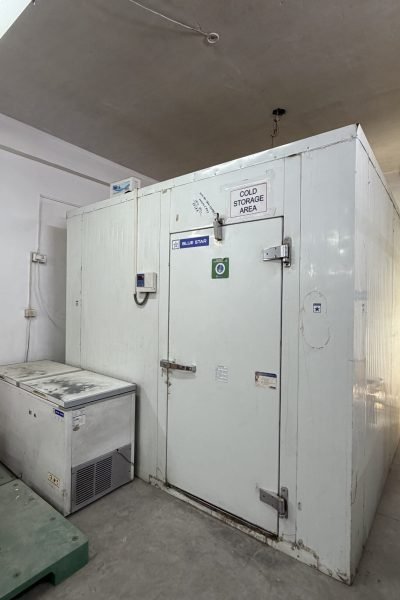
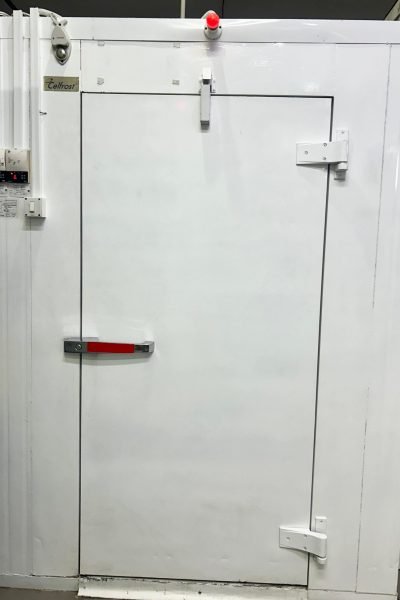
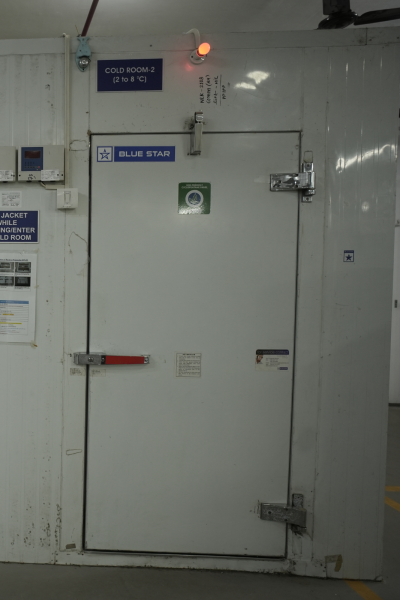
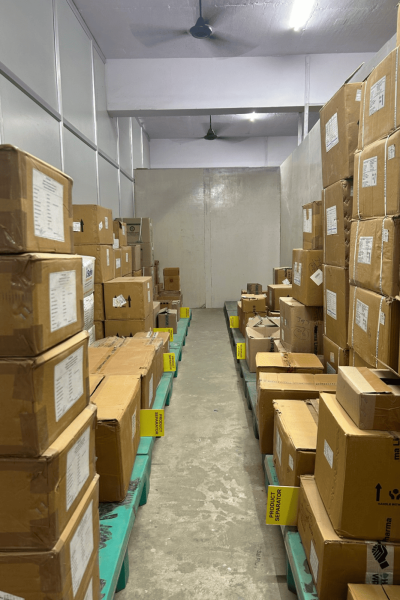
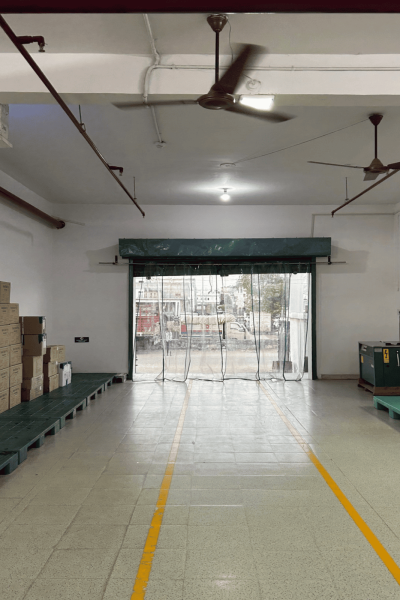
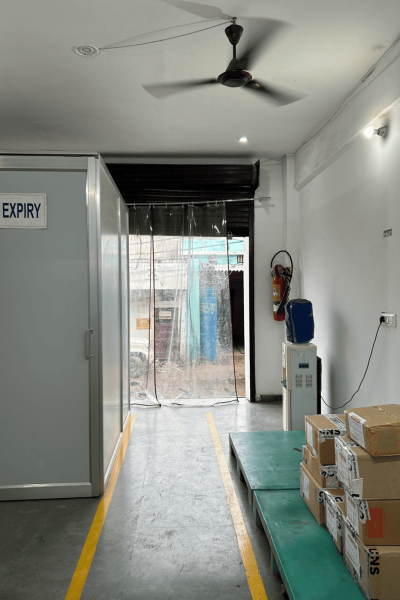
Dedicated cold rooms for 2–8°C products — for vaccines, insulin, and biologics, we maintain validated cold rooms with continuous temperature control, PVC pallets, strip curtains, and hot and cold spot mapping.
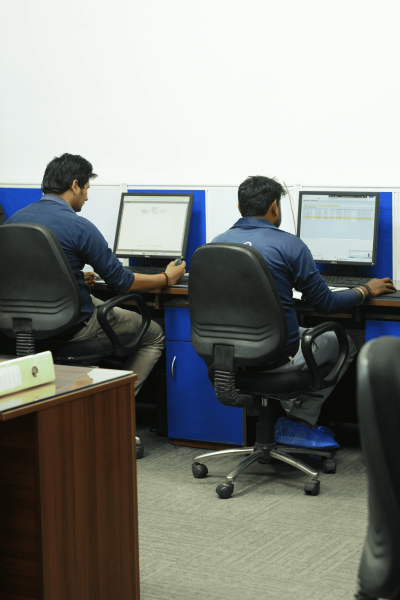
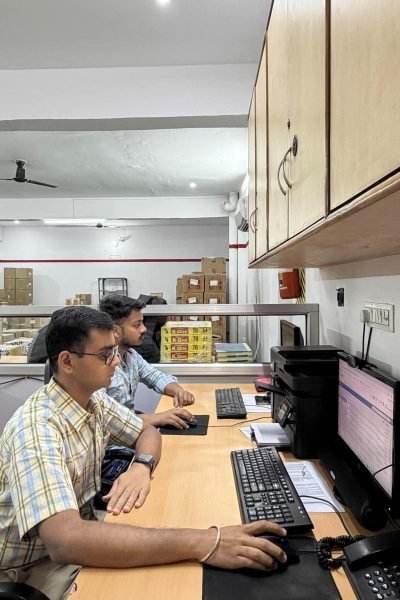
24/7 temperature monitoring with instant alerts — every deviation from the required range triggers an immediate alert to our team, day or night. Every reading is logged and available for client review.
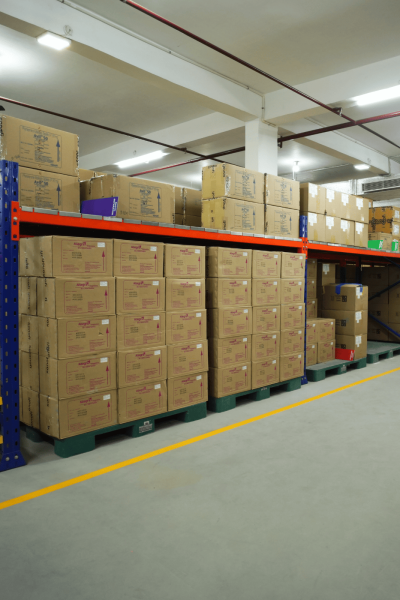
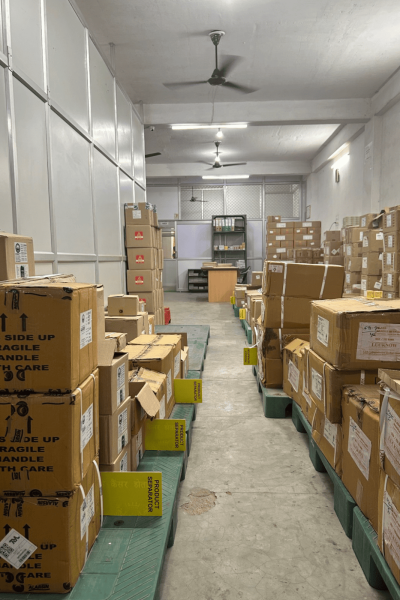
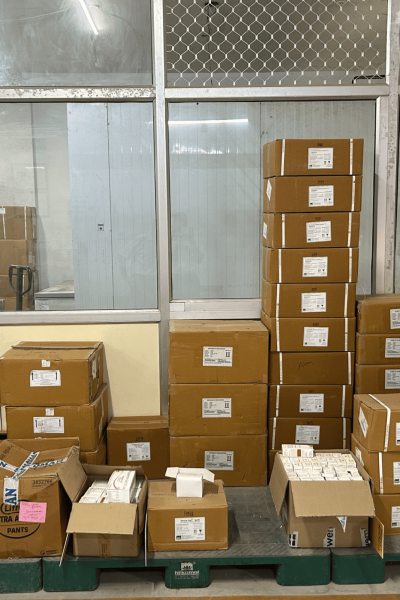
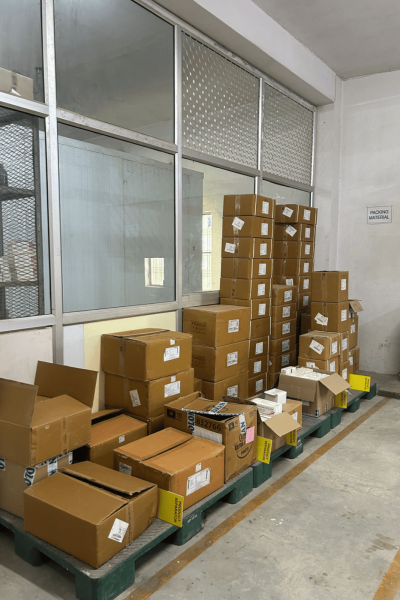
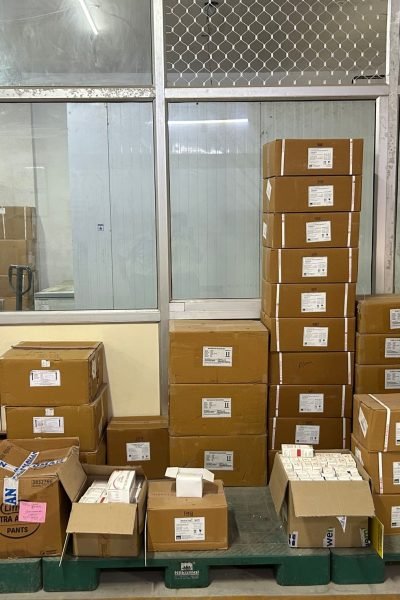
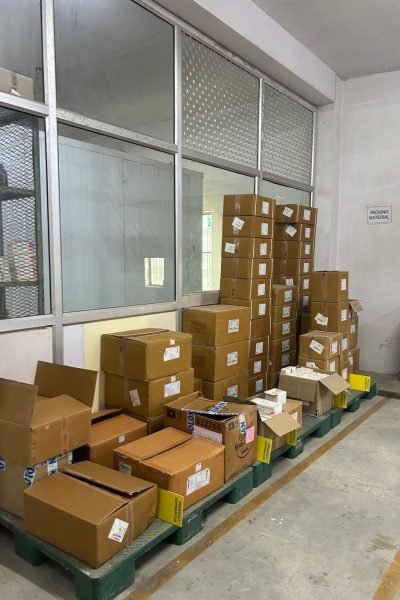
No direct floor contact, ever — floors absorb and radiate heat. All products at our facility are stored on elevated PVC pallets as standard practice.
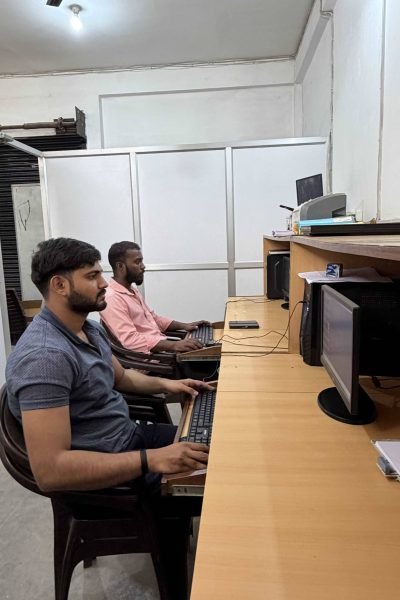
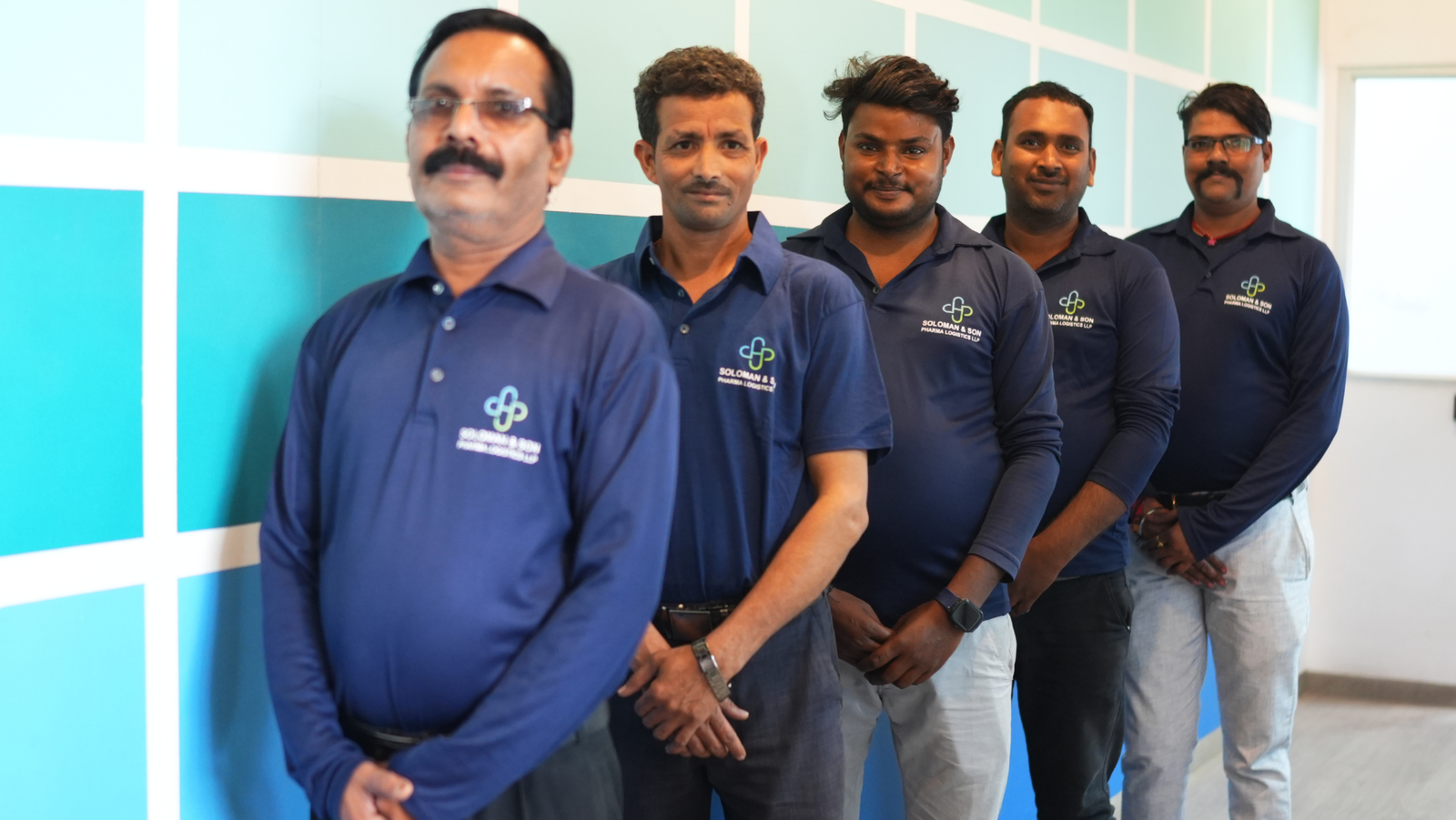
Staff Training for Summer Protocols – Our warehouse team is trained specifically on summer protocols — including how to handle products during brief door-open periods, how to check temperature logs, what to do if a cold room alarm triggers, and how to document any deviation correctly.
Human error during summer operations is one of the most underrated risks in pharmaceutical storage in India. Training is how we control it.
A Quick Checklist: What to Ask Your Pharma Warehouse This Summer
If you are a supply chain manager or pharma logistics head evaluating your current storage partner, here are six questions worth asking before peak summer hits:
Do you have backup power, and how fast does it activate? A generator that takes 10 minutes to come online is not adequate for temperature-sensitive
Is your facility temperature-mapped? Without mapping, you don’t actually know where the hot spots are.
Do you have dedicated cold rooms for 2–8°C products? A standard AC room is not the same as a validated cold room.
Are temperature logs maintained continuously and made available to clients? Transparency in documentation is a sign of a compliant operation.
What is your protocol when a temperature excursion is detected? Every warehouse should have a clear, documented response plan.
Are your staff trained on summer-specific protocols? Good equipment without trained people is only half the solution.
The Bottom Line
Indian summers are getting hotter every year. For pharma brands operating across North India, the question isn’t whether summer poses a risk to your products — it does. The question is whether your warehouse partner is genuinely equipped to handle it.
At Soloman & Co., our temperature-controlled pharma warehouse in Lucknow is built to keep your products safe, compliant, and effective — no matter what the thermometer says outside.
Because your products don’t just have monetary value. They have patient value. And that is something we take seriously, all year round.
Want to know how we protect your products this summer? Get in touch with our team today.